Aircrew Parachute Harness/Pack – Vulcan & Victor Crew Seats: Military Flight Crew Equipment
Aircrew Parachute Harness/Pack – Vulcan & Victor Crew Seats: Military Flight Crew Equipment
Blog Article
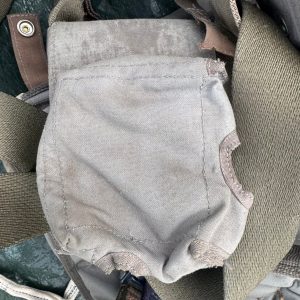
The Aircrew Parachute Harness/Pack – Vulcan & Victor Crew Seats combines historical aviation interest, crew-seat integration potential, harness construction, and emergency-equipment significance.
The Aviation Parachute Harness supports secure attachment within an emergency system, while the Pilot Parachute Harness should be evaluated for webbing condition, hardware integrity, adjustment, size, and compatibility.
Every Aircraft Emergency Parachute Harness, Aircrew Safety Harness, Flight Crew Parachute Harness, Emergency Parachute Harness, or Military Aircrew Harness requires individual inspection because age, storage, wear, and modification can affect condition.
Whether described as an Aviation Emergency Escape Harness, Parachute Harness Assembly, Aircraft Crew Safety Equipment, Aircrew Emergency Equipment, or Pilot Emergency Parachute System, the item should be evaluated within its complete original configuration.
The Flight Parachute Harness should remain matched with the correct parachute pack, seat arrangement, attachment hardware, and operating system.
Key Details of the Crew-Seat Parachute System
Detailed identification protects historical accuracy and reduces incorrect compatibility claims.
Unknown parts should be described honestly instead of assigned an unsupported function.
Understanding Aviation Harness Materials
An Aviation Parachute Harness typically relies on load-bearing webbing, reinforced stitching, metal fittings, adjustment hardware, attachment points, and configuration-specific connections.
Repairs should not be assumed acceptable merely because they appear neat or use similar-colored material.
Evaluating Harness Size and Fit
An aged harness should not be worn or adjusted forcefully when webbing, buckles, or fittings may be fragile.
Professional conservation can protect both the Pilot Parachute Harness and its historical significance.
Aircraft Escape Harness Applications
Operational claims should never be made without current specialist inspection and applicable documentation.
Paint, plating loss, scratches, or movement marks may provide information about previous use and storage.
Maintaining Aircrew Harness Equipment
A harness associated with one crew seat should not be assumed suitable for another position.
Historic harnesses should be stored away from direct sunlight, moisture, pests, chemicals, sharp objects, heat, and uncontrolled handling.
Flight Crew Parachute Harness Condition
The condition of a Flight Crew Parachute Harness should be described using specific observations rather than broad terms such as excellent, serviceable, or ready for use.
Transparent information strengthens trust among buyers of Flight Crew Parachute Harness equipment.
Parachute Webbing Condition Checks
The pack or container should be examined separately for fabric deterioration, closures, contamination, deformation, and missing components.
Unknown contamination should be handled carefully and isolated from other equipment.
Military Aircrew Harness Heritage
Original components with clear labels and matching hardware may be particularly desirable for accurate displays.
Museums and display builders may use the harness/pack to complete a crew-seat installation, cockpit exhibit, training display, or aviation-history presentation.
Military Aircraft Escape System Components
Seat design, parachute pack, harness connections, release mechanisms, crew procedures, aircraft configuration, and survival equipment may all interact.
Qualified historical or technical review supports accurate Aviation Emergency Escape Harness presentation.
Parachute Harness Assembly Components
Completeness should be described through visible evidence and available records.
A detailed inventory can increase the commercial value of an incomplete Parachute Harness Assembly.
Historic Aircraft Safety Components
Each item should be identified and evaluated individually because age, Aircrew Safety Harness storage, configuration, and service history can differ.
Original dirt, markings, or wear may provide useful historical evidence.
Choosing Aircrew Survival Components
Historical context can be as important as cosmetic condition.
The product listing should identify whether the item is original, restored, repaired, modified, reproduction, mixed-component, or unverified.
Pilot Parachute Pack Integration
Historic parachute equipment may have exceeded original service intervals or contain materials affected by age and storage.
Responsible handling protects the Pilot Emergency Parachute System and its provenance.
Preserving an Aviation Harness Assembly
Its visual impact is enhanced when straps, pack, fittings, labels, and attachments remain arranged accurately.
Controlled access supports preservation of the Aviation Safety Harness.
Choosing a Flight Parachute Harness
An operational buyer requires entirely different inspection, certification, and system-compatibility considerations.
Price should reflect the complete evidence rather than aircraft-name keywords alone.
Aircraft Parachute Equipment Compatibility
Aircraft Parachute Equipment should be matched through exact part numbers, aircraft type, crew position, seat model, connection method, and period-specific configuration.
Incorrect routing can damage webbing, bend fittings, or create false wear patterns.
Evaluating Historic Parachute Equipment
The buyer should request enough information for a parachute specialist, military aviation historian, conservator, or experienced collector to evaluate the item.
- Resolve identity, provenance, configuration, and package-completeness questions before payment.
- Arrange specialist evaluation whenever condition, authenticity, completeness, or intended use remains uncertain.
- Report shipping damage, missing parts, undocumented repairs, label differences, or undisclosed contamination promptly.
Storing the Aircrew Parachute Harness/Pack
The harness and pack should be stored in a clean, dry, stable environment with moderate temperature, controlled humidity, limited light, and protection from pests.
Condition photographs taken from consistent angles can reveal gradual changes over time.
Crew-Seat Harness Display Installation
A conservation-focused display preserves the Vulcan and Victor harness/pack for future study.
Any reproduced or replacement components should be labeled clearly.
Military Parachute Equipment Preservation
Polishing corroded hardware may damage plating or stain surrounding webbing.
Documentation should record every intervention, added component, cleaning method, and display modification.
Selecting a Crew-Seat Harness and Pack
The Aircrew Parachute Harness/Pack – Vulcan & Victor Crew Seats offers stronger commercial appeal when labels, webbing, fittings, pack components, history, and documentation are presented transparently.
Buyers should request detailed photographs, accurate condition descriptions, complete package inventories, secure transaction terms, protective shipping, and specialist review where appropriate.
Whether the assembly is purchased for restoration, research, display, reference, collection, or specialist evaluation, transparent documentation and responsible handling provide the strongest foundation.
With accurate identification, preservation-focused care, suitable environmental control, and careful interpretation, the assembly can remain an important military aviation artifact.
Report this page